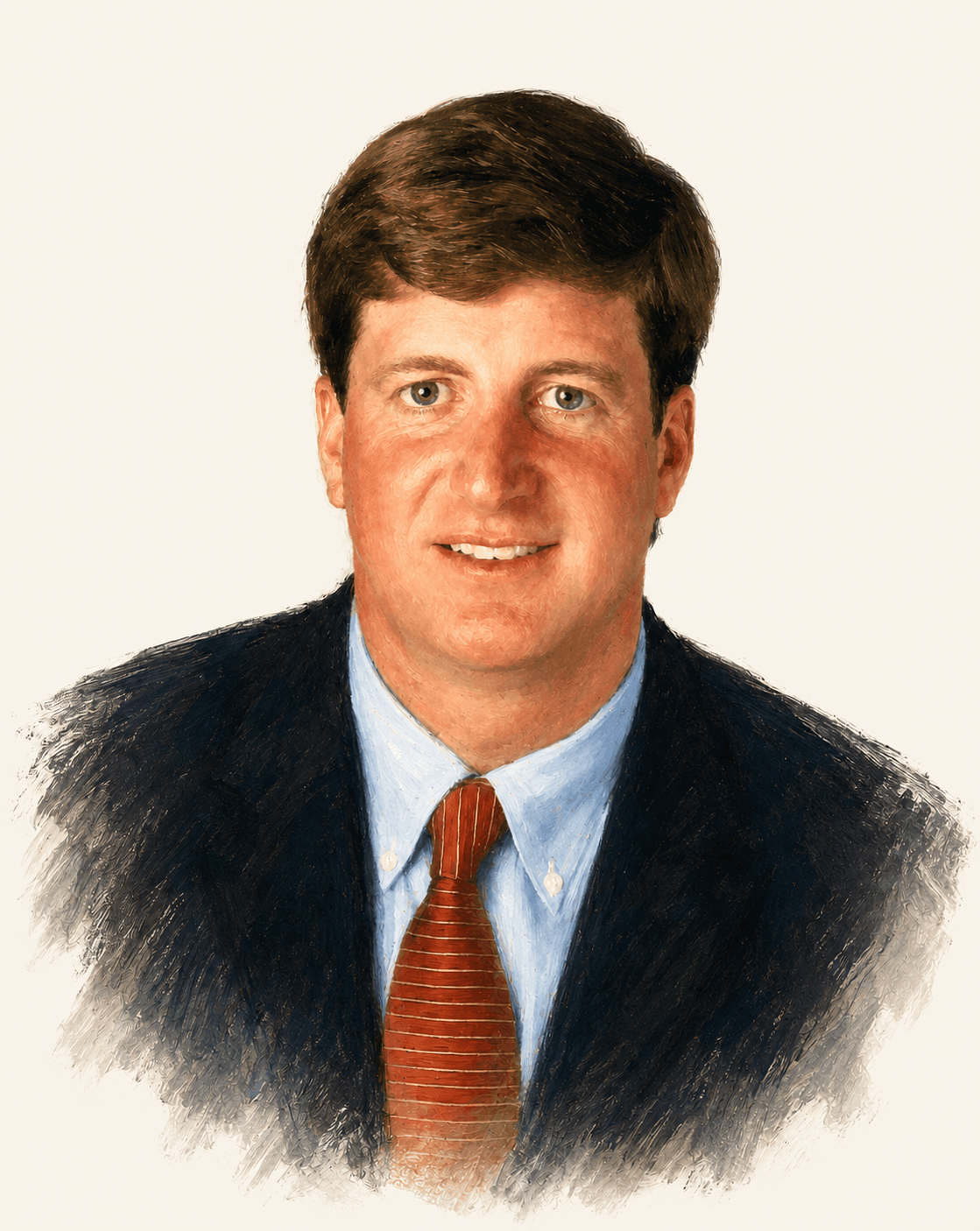
Patrick J. Kennedy
PoliticianAdvocate
United States
Patrick J. Kennedy is a former U.S. congressman who represented Rhode Island for 16 years. He became a leading voice on mental health policy in Congress and was the lead sponsor of the Mental Health Parity and Addiction Equity Act of 2008, which required many health plans to cover mental health and substance-use treatment no more restrictively than physical health care. [1]
Career and work
Kennedy represented Rhode Island’s First Congressional District in the U.S. House of Representatives for eight terms, serving from 1995 to 2011. During his 16 years in Congress, much of his legislative work focused on mental health, addiction and neurological disorders. [1]
He is best known as the lead sponsor of the Mental Health Parity and Addiction Equity Act of 2008, which required many health plans to cover mental health and substance-use treatment no more restrictively than comparable physical-health treatment. He also authored or co-sponsored legislation addressing PTSD, Alzheimer’s disease, aging, child development and neurological research. [1]
After leaving Congress, Kennedy founded The Kennedy Forum, focused on mental health and addiction policy, and co-founded One Mind, which supports collaborative brain research. He has continued working on mental-health policy and parity enforcement and, in 2024, joined Healthsperien to lead a national mental health and addiction policy practice. [1]
What has been publicly discussed
Sources and other resourcesExpand to view the sources used in this profile and resources to learn more.
Sources used for this profile
The following sources contain information that supports the claims made on this page.
Patrick J. KennedyAbout Patrick Provides Kennedy’s congressional career, committee work, role in passing the Mental Health Parity and Addiction Equity Act, founding of The Kennedy Forum, and publication of A Common Struggle.
Philadelphia MagazinePatrick Kennedy and the Jersey Girl Supports the bipolar II diagnosis and Kennedy’s descriptions of depression, high-risk behaviour and periods he regarded as manic.
The Washington Post, 2006Rep. Kennedy to Enter Rehab After Crash Documents the Capitol crash, Kennedy’s prescription-drug addiction and his decision to return to the Mayo Clinic for treatment.
View all 10 sources
The Kennedy ForumPatrick J. Kennedy Supports Kennedy’s work on federal mental-health parity legislation and his later advocacy through The Kennedy Forum.
Patrick J. Kennedy and Stephen FriedA Common Struggle: A Personal Journey Through the Past and Future of Mental Illness and Addiction Kennedy’s memoir is a primary source for his history of bipolar disorder, addiction, treatment, recovery and decision to speak publicly about mental illness.
Book or book pageTown & CountryPatrick and Amy Kennedy on mental health and recovery Supports Kennedy’s description of long-term recovery, continued therapy, 12-step participation, exercise and structured routines.
60 MinutesPatrick J. Kennedy on mental illness and addictionTelevision interview The Kennedy ForumThe Kennedy Forum The Kennedy ForumThe Kennedy Forum Child Mind InstituteChild Mind Institute
Learn more
Recommended books and other resources about Patrick J. Kennedy and their experiences.
- A Common Struggle: A Personal Journey Through the Past and Future of Mental Illness and AddictionBook · Patrick J. Kennedy and Stephen Fried
Kennedy’s memoir about bipolar disorder, addiction, treatment, recovery, his family’s history with mental illness and addiction, and his work to change mental-health policy.
- Profiles in Mental Health CourageProfile · Patrick J. Kennedy and Stephen Fried
A collection of first-person stories from people living with mental illness and addiction, developed from Kennedy’s broader advocacy work and interest in making these experiences more visible.
- Patrick J. Kennedy on mental illness and addictionTelevision interview · 60 Minutes
A substantial television interview about Kennedy’s own history with bipolar disorder and addiction, his recovery, and his argument for treating mental illness and addiction as medical conditions rather than sources of shame.